
Discover the joy of turning everyday moments into creative adventures with your kids. Learning how to make playful activities LWMFCrafts opens up a world of fun, hands-on experiences that spark imagination, build skills, and strengthen family bonds—all while using simple, often recycled materials you already have at home. Whether you’re a busy parent looking for screen-free ideas or a caregiver seeking engaging ways to nurture young minds, these crafts blend play and learning effortlessly.
In today’s fast-paced world, finding activities that are both educational and entertaining can feel challenging. Playful activities LWMFCrafts, inspired by the spirit of “Look What Mom Found,” emphasize quick, inventive projects that transform ordinary household items into extraordinary playthings. These crafts encourage children to explore, experiment, and express themselves without the pressure of perfection. From cardboard castles to nature collages, the possibilities are endless and deeply rewarding for everyone involved.
Understanding the Essence of Playful Activities in LWMFCrafts
Playful activities LWMFCrafts represent a delightful approach to parenting and education that prioritizes creativity over complexity. At their core, these activities are about fostering an environment where kids can freely imagine and create using accessible resources. Unlike structured lessons or expensive kits, LWMFCrafts focus on spontaneity and resourcefulness, making them ideal for families of all backgrounds.
When you dive into how to make playful activities LWMFCrafts, you’re not just assembling projects—you’re building confidence, problem-solving abilities, and emotional resilience in your children. These crafts often incorporate elements of storytelling, role-playing, and sensory exploration, turning a simple afternoon into a memorable bonding session. Parents frequently report that their kids become more engaged, communicative, and independent after regular crafting time.
The beauty lies in the flexibility. A rainy day indoors becomes an opportunity for puppet shows, while a backyard stroll yields materials for collages. This adaptability ensures that playful activities LWMFCrafts fit seamlessly into daily routines, regardless of weather, budget, or available time. By embracing this philosophy, families create a home culture rich in curiosity and joy.
Why Playful Activities LWMFCrafts Matter for Child Development
Engaging in how to make playful activities LWMFCrafts delivers profound benefits that extend far beyond the craft table. Research and real-life experiences show that hands-on creative play supports multiple areas of development, from fine motor skills to emotional intelligence. Children who regularly participate in such activities often display improved hand-eye coordination, better focus, and enhanced creativity.
Fine motor skills get a serious workout through cutting, gluing, and assembling materials. These seemingly simple actions strengthen the small muscles in little hands and fingers, preparing kids for writing, buttoning clothes, and other everyday tasks. Meanwhile, the cognitive benefits are equally impressive—planning a project, troubleshooting when something doesn’t stick quite right, and adapting ideas on the fly all build critical thinking and resilience.
Emotionally, playful activities LWMFCrafts provide a safe outlet for self-expression. Kids who might struggle to verbalize feelings can pour them into colors, shapes, and stories through their creations. This process boosts self-esteem as they see tangible results from their efforts and receive praise for their unique ideas. Socially, group crafting teaches sharing, collaboration, and communication, skills that translate beautifully to school and friendships.
Parents also reap rewards. These activities reduce screen time naturally while creating quality one-on-one or family time. Many moms and dads discover that crafting sessions lead to deeper conversations and lasting memories. In essence, mastering how to make playful activities LWMFCrafts nurtures well-rounded children and happier households.
Quote: “Creativity is intelligence having fun.” – Often attributed to Albert Einstein, this rings especially true in the world of LWMFCrafts where play meets ingenuity.

Getting Started: Essential Materials for Playful Activities LWMFCrafts
One of the most appealing aspects of how to make playful activities LWMFCrafts is the minimal investment required. You don’t need fancy art supplies from specialty stores. Instead, raid your recycling bin, kitchen drawers, and backyard for treasures that spark creativity.
Start with basics like cardboard boxes, paper plates, toilet paper rolls, markers, glue sticks, scissors (age-appropriate safety versions), and colorful paper scraps. Recycled materials such as egg cartons, plastic bottles, and fabric remnants add texture and dimension. Nature finds—leaves, sticks, flowers, and pebbles—bring an organic element perfect for outdoor-inspired projects.
Organize your supplies in a dedicated “craft corner” or portable bin for easy access. This setup encourages spontaneous creativity without the hassle of hunting for items mid-project. Safety is key: opt for non-toxic glues and paints, supervise sharp tools, and choose projects suited to your child’s age and abilities.
As you explore how to make playful activities LWMFCrafts, you’ll find that variety keeps things exciting. Rotate materials seasonally or thematically to maintain interest. For instance, incorporate pompoms and pipe cleaners for fuzzy creatures or buttons and beads for decorative accents. The goal is empowerment—kids learn they can create magic from the mundane.
Expanding your collection gradually includes items like yarn for weaving, old magazines for collages, and paint for vibrant finishes. Don’t overlook kitchen staples such as pasta shapes for mosaics or dried beans for sensory bottles. This resourceful mindset not only saves money but also teaches children the value of sustainability and imagination.
Step-by-Step Guide: How to Make Playful Activities LWMFCrafts
Mastering how to make playful activities LWMFCrafts follows a simple yet effective framework that ensures success every time. Begin by selecting a theme that resonates with your child’s current interests—dinosaurs, space, ocean life, or fairy tales work wonderfully. This personal connection boosts engagement from the start.
Next, gather materials collaboratively with your kids. Involving them in preparation builds anticipation and ownership. Lay everything out on a protected surface and discuss possibilities together. This brainstorming phase hones communication and idea-generation skills.
Then, demonstrate basic techniques without taking over. Show how to cut a straight line or apply glue sparingly, then step back to let them experiment. Encourage trial and error—mistakes often lead to the most innovative results. Offer gentle guidance only when frustration arises, framing it as a fun puzzle to solve.
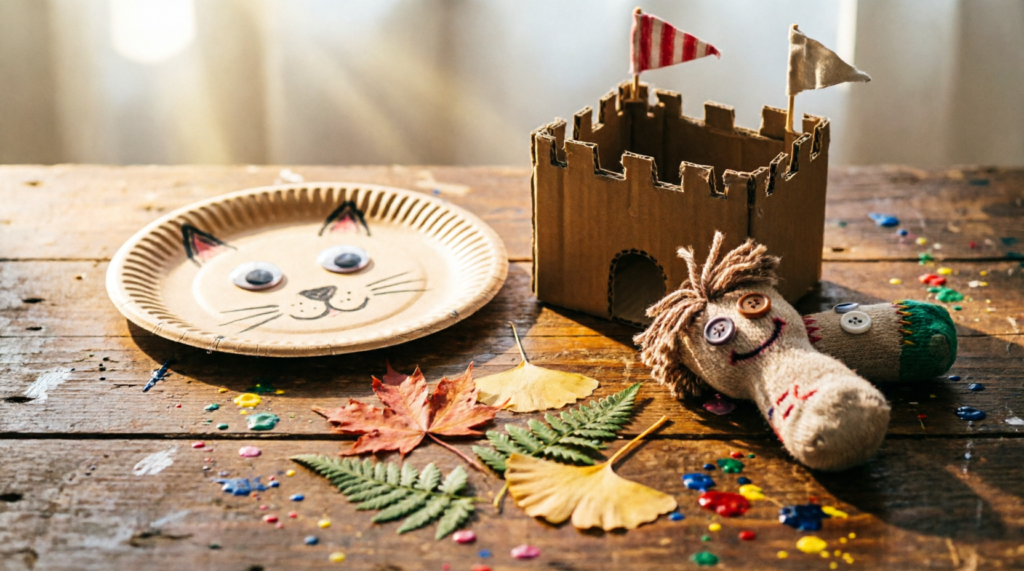
Once creations take shape, extend the fun into play. A paper plate lion becomes a character in an imaginary safari, while cardboard tubes transform into a bustling city skyline. This transition from making to playing solidifies learning and maximizes enjoyment.
Finally, reflect together. Ask open-ended questions like “What was your favorite part?” or “How could we make it even better next time?” Display finished works proudly to reinforce pride and accomplishment. Repeating this process regularly turns how to make playful activities LWMFCrafts into a beloved family tradition.
Creative Project Ideas for Every Season and Age
Diving deeper into playful activities LWMFCrafts reveals countless project possibilities tailored to different seasons, holidays, and developmental stages. For toddlers, focus on sensory-rich experiences like finger painting with edible materials or sticking pompoms onto cardboard.
Preschoolers thrive with paper plate animals—paint plates in bright colors, add construction paper ears and tails, then use them for storytelling sessions. These simple builds develop color recognition and narrative skills while providing endless imaginative play afterward.
School-age children enjoy more complex builds like cardboard box castles or vehicles. Supply boxes, tape, markers, and recyclables, then watch as they engineer drawbridges, towers, and secret rooms. These projects enhance spatial reasoning and teamwork when siblings collaborate.
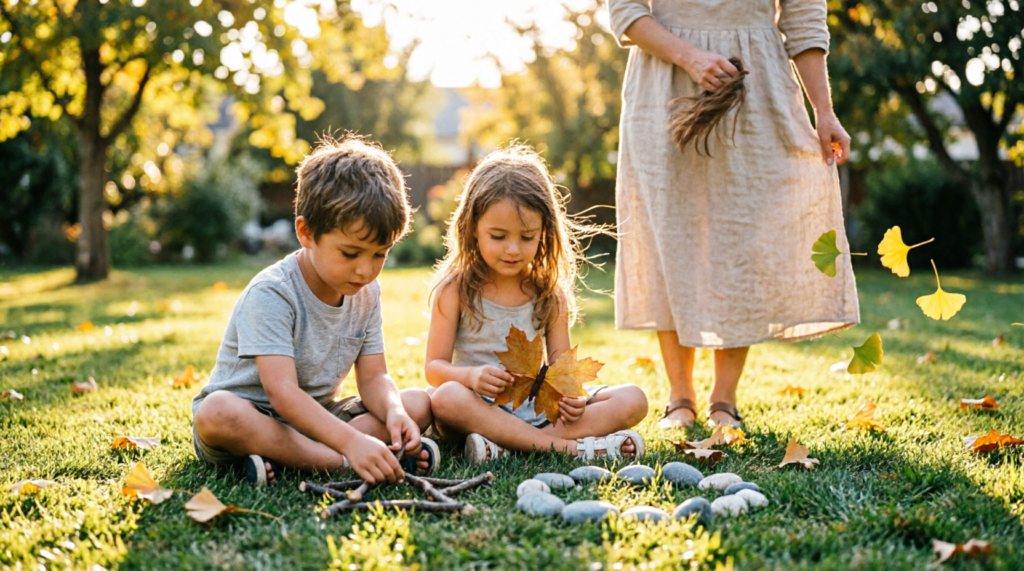
Seasonal twists keep things fresh. In spring, create nature collages from collected petals and leaves pressed onto contact paper for window decorations. Summer calls for outdoor-friendly crafts like painted rock gardens or DIY wind chimes from recycled jars and beads. Autumn brings leaf rubbings and turkey puppets, while winter inspires snowflake designs from paper and cotton balls.
Themed weeks add structure and excitement. “Recycling Week” might feature bottle cap mosaics or newspaper hats. “Animal Adventure Week” could include sock puppets and habitat dioramas. By varying projects, you prevent boredom and expose kids to diverse textures, colors, and techniques.
Advanced ideas for older kids or family groups include puppet theaters from cardboard boxes complete with scenery and characters, or sensory bins filled with rice, beans, and hidden treasures for excavation play. These larger-scale playful activities LWMFCrafts promote planning, persistence, and shared accomplishment.
Incorporating Educational Elements into Playful Activities LWMFCrafts
One of the standout features of how to make playful activities LWMFCrafts is their natural integration of learning. Crafts aren’t just fun—they’re stealthy teachers. Math concepts emerge when measuring materials or counting pieces. Science lessons arise through observing how different glues dry or how plants press into paper.
Literacy flourishes as kids dictate stories about their creations or label parts of their projects. Social studies come alive with cultural crafts inspired by different traditions, using fabrics or patterns from around the world. Even history can be woven in by recreating artifacts from storybooks or discussing inventors who used everyday items innovatively.
Sensory integration benefits children with various needs. Textured materials provide tactile input, while repetitive motions like weaving yarn calm anxious minds. For kinesthetic learners, building large structures encourages movement and gross motor development alongside fine skills.
Parents can subtly layer in academics by asking questions or setting challenges: “How many different shapes can you use?” or “What happens if we add water to this paint?” This inquiry-based approach mirrors classroom best practices while feeling like pure play.
Table: Benefits of Playful Activities LWMFCrafts
| Area of Development | Specific Skills Enhanced | Example Activity |
|---|---|---|
| Fine Motor | Cutting, gluing, threading | Paper plate animals |
| Cognitive | Problem-solving, planning | Cardboard castles |
| Emotional | Self-expression, confidence | Puppet shows |
| Social | Sharing, collaboration | Family collages |
| Physical | Hand-eye coordination | Nature crafts |
| Creative | Imagination, innovation | Themed storytelling props |
This table highlights how versatile and impactful these activities truly are.
Tips for Busy Parents: Making Time for Playful Activities LWMFCrafts
Life gets hectic, but carving out time for how to make playful activities LWMFCrafts is easier than you might think. Start small—dedicate 20-30 minutes a few times a week rather than aiming for marathon sessions. Short, frequent crafts maintain momentum without overwhelming schedules.
Prepare in advance by pre-cutting materials or organizing kits for specific projects. Involve older siblings as helpers for younger ones, turning it into a mentoring opportunity. Use transitions like after-school wind-downs or weekend mornings when energy is high.
Embrace imperfection. The goal isn’t Instagram-worthy results but genuine engagement. Messes are part of the process—use washable materials and drop cloths to minimize cleanup stress. Celebrate the journey with photos or a family “creation gallery” wall.
Incorporate crafts into routines: make holiday cards during downtime or decorate lunch bags with doodles. Outdoor variations, like sidewalk chalk murals or leaf art, blend physical activity seamlessly.
For sustainability, teach kids to clean up as they go and reuse scraps. This builds responsibility alongside creativity. Remember, consistency matters more than duration—regular exposure to playful activities LWMFCrafts yields compounding benefits over time.
Overcoming Common Challenges in LWMFCrafts
Even the most enthusiastic families encounter hurdles when exploring how to make playful activities LWMFCrafts. Messiness tops the list, but proactive strategies help. Designate a craft zone with easy-to-clean surfaces and involve kids in tidying to instill habits.
Short attention spans? Choose quick-win projects initially and gradually increase complexity. Have backup activities ready if interest wanes. Boredom with repetition calls for fresh themes or material twists—introduce glitter one week, stamps the next.
Perfectionism can stifle creativity, especially in older kids or parents. Counter this by emphasizing process over product. Share stories of famous artists who embraced “happy accidents” to normalize experimentation.
Budget constraints are no barrier since LWMFCrafts thrive on recyclables. Community swaps or library craft programs supplement supplies affordably. For children with special needs, adapt by offering larger grips, sensory alternatives, or simplified steps—consult occupational therapists for personalized ideas.
Group dynamics in multi-child homes benefit from individual projects alongside collaborative ones. Rotate leadership roles to ensure everyone feels valued. With patience and flexibility, these challenges become opportunities for growth and deeper family connection.
Advanced Techniques and Variations for Playful Activities LWMFCrafts
Once basics are mastered, elevate your how to make playful activities LWMFCrafts with advanced techniques. Incorporate mixed media by combining paint, collage, and sculpture elements. Experiment with natural dyes from kitchen scraps like beet juice or turmeric for eco-friendly coloring.
Weaving projects using yarn and cardboard looms develop patience and pattern recognition. Simple origami introduces geometry and following instructions. For tech-savvy families, photograph creations and create digital storybooks to extend the narrative.
Seasonal science integrations shine here—build weather vanes from straws and paper or volcano models with baking soda reactions. Cultural explorations might include dreamcatchers, maracas, or masks inspired by global traditions, promoting appreciation for diversity.
Sensory extensions include slime-making with safe ingredients, kinetic sand sculptures, or scented playdough. These variations keep older children engaged while offering therapeutic benefits. Group challenges, like designing a marble run from recyclables, foster engineering mindsets and friendly competition.
Don’t forget performance arts: turn crafts into props for plays, complete with costumes and scripts written by the kids. This holistic approach transforms isolated projects into immersive experiences, maximizing learning and fun.
Quote: “Every child is an artist. The problem is how to remain an artist once we grow up.” – Pablo Picasso. LWMFCrafts help preserve that inner artist across generations.
Safety and Best Practices for Successful Crafting Sessions
Prioritizing safety ensures that playful activities LWMFCrafts remain enjoyable for all. Always supervise young children with scissors, small parts, or glues. Choose age-appropriate tools—blunt-tip scissors for toddlers, for example—and opt for washable, non-toxic supplies.
Allergies matter; test materials and avoid common triggers like certain glues or nuts in sensory mixes. Ventilation is important when using paints or markers. Teach proper handling of materials to prevent accidents and promote respect for tools.
Hygiene practices include handwashing before and after sessions and using aprons or old clothes. Store supplies securely out of reach when not in use. For outdoor crafts, check for poisonous plants or insects.
Documentation through photos or journals tracks progress and sparks reflection. Involving kids in safety rules empowers them and builds responsibility. These practices create a secure foundation for endless creative exploration.
Expanding Your LWMFCrafts Community and Resources
Connecting with others amplifies the joy of how to make playful activities LWMFCrafts. Join online communities, local parent groups, or school clubs focused on hands-on learning. Sharing ideas and successes provides inspiration and support.
Libraries often host free craft programs and have abundant resources. Websites and blogs dedicated to family activities offer seasonal calendars and printable templates. Apps for kid-friendly recipes or project ideas supplement physical crafting.
Host neighborhood craft swaps or playdates centered around themes. Schools and daycare centers appreciate parent-volunteered sessions showcasing LWMFCrafts techniques. This community aspect models social engagement for children while building parental networks.
Books on child development through art and DIY guides provide deeper insights. Documenting your family’s journey—perhaps through a shared blog or scrapbook—preserves memories and inspires others. The ripple effect of playful activities LWMFCrafts extends beyond your home, fostering creativity in wider circles.
Long-Term Impact: Building Lifelong Skills Through Playful Activities LWMFCrafts
The true magic of how to make playful activities LWMFCrafts reveals itself over years. Children who grow up crafting develop resilience, adaptability, and a maker mindset that serves them well academically and professionally. They learn to see problems as opportunities for innovation.
Families report stronger bonds, better communication, and reduced stress levels from regular creative time. Kids carry forward environmental awareness from recycling practices and a love for learning through play.
As children mature, skills evolve into hobbies like woodworking, sewing, or digital design. The confidence gained translates to tackling challenges in all life areas. Parents often rediscover their own creativity, leading to personal fulfillment.
Ultimately, these activities cultivate curious, capable, and compassionate individuals ready to contribute positively to the world. The investment of time yields immeasurable returns in joy, growth, and connection.
Conclusion
Embracing how to make playful activities LWMFCrafts transforms ordinary days into extraordinary opportunities for growth and delight. By using simple materials, following flexible steps, and prioritizing fun over perfection, families unlock creativity, learning, and unbreakable bonds. Whether crafting paper plate animals or elaborate cardboard adventures, the process nurtures young minds while bringing smiles to everyone involved.
Start small, stay consistent, and watch imaginations soar. The world of LWMFCrafts awaits—grab some recyclables, gather your little ones, and create memories that last a lifetime. Your journey into playful, meaningful activities begins today, promising endless discovery and happiness along the way. The lessons learned and laughter shared will echo far beyond the craft table, shaping brighter futures for your family.
FAQ
What exactly are playful activities LWMFCrafts?
Playful activities LWMFCrafts refer to fun, creative DIY projects inspired by Look What Mom Found principles, focusing on using household and recycled items to make toys, decorations, and play props. They emphasize imagination, learning through doing, and family involvement, making them perfect for busy households seeking engaging alternatives to screens.
How do I start with how to make playful activities LWMFCrafts at home?
Begin by collecting basic supplies like cardboard, paper, glue, and markers. Choose a simple theme your child loves, prepare materials together, and follow the child’s lead during creation. Extend the activity into playtime afterward. Start with short sessions and build from there for the best results.
Are playful activities LWMFCrafts suitable for different age groups?
Absolutely. Toddlers benefit from sensory sticking and painting, preschoolers enjoy assembling animals and puppets, while older kids tackle complex builds like castles or theaters. Adjust complexity, tools, and supervision accordingly to match developmental stages and ensure safety and enjoyment for all.
What materials are best for playful activities LWMFCrafts?
Everyday recyclables such as cardboard boxes, toilet paper rolls, paper plates, egg cartons, and fabric scraps work wonderfully. Supplement with markers, glue, scissors, and nature items like leaves or sticks. Focus on safe, non-toxic options readily available at home to keep costs low and creativity high.
How can playful activities LWMFCrafts help with child development?
These activities enhance fine motor skills, cognitive abilities like problem-solving, emotional expression, and social interaction. They promote creativity, confidence, and sustainability awareness while reducing screen time and strengthening parent-child bonds through shared, meaningful experiences.
Can I adapt playful activities LWMFCrafts for special needs or limited spaces?
Yes! Modify projects for accessibility—use larger materials, seated options, or sensory alternatives. Small spaces benefit from portable kits or flat-surface crafts. Consult resources or therapists for tailored ideas, ensuring inclusivity and success for every child.