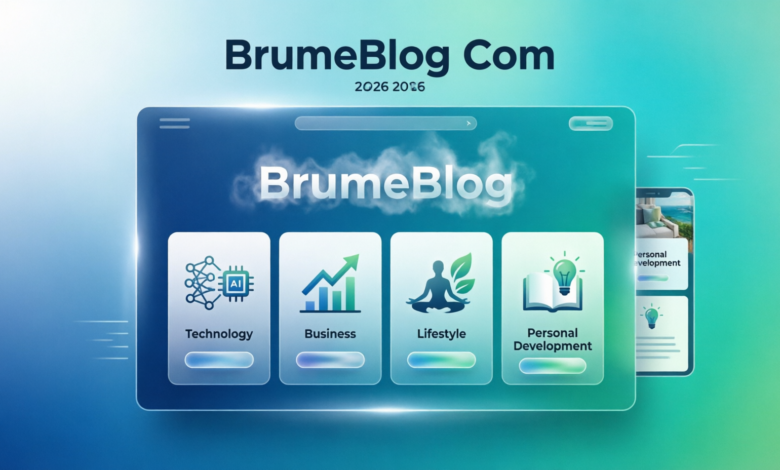
BrumeBlog com stands out as a refreshing destination in the crowded world of online content. In an era where many websites prioritize quantity and clickbait over substance, this platform delivers high-quality, researched articles across diverse topics without overwhelming readers with ads or fluff. Whether you’re a busy professional seeking productivity tips, an entrepreneur exploring business strategies, or someone simply looking to stay informed on the latest tech trends, brumeblog com offers a clean, engaging space that respects your time.
This multi-niche digital publishing platform combines the best elements of a traditional magazine with the accessibility of modern blogging. It covers technology, business, lifestyle, personal development, and more, all under one roof. Readers appreciate the straightforward writing style, mobile-friendly design, and practical takeaways that make complex subjects easy to digest. In this comprehensive guide, we’ll explore everything you need to know about brumeblog com, from its core offerings to why it continues to grow in popularity.
What Is BrumeBlog Com and Why Does It Matter?
BrumeBlog com is a self-hosted, multi-niche digital magazine and resource hub dedicated to producing long-form, actionable content. Unlike single-topic blogs that drill deep into one area, it embraces a horizontal content strategy. This allows readers to explore interconnected interests seamlessly, such as moving from an AI tool review straight into productivity hacks or financial planning advice.
At its heart, brumeblog com prioritizes quality over quantity. The editorial team focuses on well-researched pieces that provide genuine value rather than churning out daily posts. This approach builds trust and encourages longer reading sessions. Visitors often find themselves bookmarking multiple articles because the content feels tailored to real-world needs, whether you’re navigating career changes or staying ahead of digital trends.
The platform’s design philosophy centers on user respect. No intrusive pop-ups interrupt your flow, and articles load quickly even on mobile devices. This makes brumeblog com particularly appealing for on-the-go readers who want reliable information without frustration. As online content consumption evolves, platforms like this one set a higher standard by combining breadth with depth.
Exploring the Core Content Pillars of BrumeBlog Com
One of the strongest features of brumeblog com is its diverse content pillars. The technology and digital trends section breaks down complex innovations like artificial intelligence, cybersecurity, and SaaS tools into accessible language. Readers gain practical insights, such as comparisons of productivity apps or guides to safe online practices, without needing a technical background.
These articles often include real-world examples and step-by-step advice. For instance, a piece on emerging tools might highlight how small businesses can leverage them for growth, complete with pros, cons, and alternatives. This focus on applicability keeps readers returning for updates on fast-changing fields.
The business and finance pillar delivers straightforward guidance on entrepreneurship, side hustles, and personal equity. Brumeblog com excels here by avoiding corporate jargon, instead offering clear strategies for freelancers, startup founders, and professionals. Topics range from tax tips to passive income ideas, always grounded in practical steps.
Lifestyle and wellness content addresses modern challenges like burnout, work-life balance, and habit formation. Articles in this area emphasize measurable outcomes, such as time-blocking techniques or signs of workplace stress to watch for. Personal development pieces complement this with goal-setting frameworks and skill-building advice suited for career changers or lifelong learners.
Additional categories like fashion, entertainment, health, and travel round out the offerings. This variety ensures brumeblog com serves as a one-stop hub, saving readers the hassle of juggling multiple sites. The seamless internal linking between sections encourages natural exploration, boosting engagement and knowledge retention.
Quote: “In a sea of shallow content, brumeblog com feels like a breath of fresh air—practical, well-structured, and genuinely helpful.” — A satisfied reader (paraphrased from community feedback).
BrumeBlog Com Website Design and User Experience Excellence
Brumeblog com boasts a clean, magazine-style layout that prioritizes readability above all. Sans-serif fonts, ample line spacing, and responsive design ensure comfortable reading across devices. Mobile users particularly benefit, as the site adapts fluidly without horizontal scrolling or tiny text.
Navigation is intuitive, with clear category menus and minimal clutter. This flat structure prevents overwhelm, allowing quick jumps between topics. Fast load times, achieved through optimized images and clean code, contribute to strong Core Web Vitals scores, which search engines reward.
The absence of autoplay videos or excessive ads enhances the experience. Contextual placements keep monetization subtle while maintaining flow. Users report higher satisfaction and longer sessions compared to ad-heavy competitors.
Tables often enhance articles on brumeblog com, summarizing comparisons or key takeaways at a glance. For example:
| Feature | BrumeBlog Com Advantage | Typical Competitor Issue |
|---|---|---|
| Page Load Speed | Optimized for mobile-first | Slow due to heavy scripts |
| Ad Experience | Contextual and non-intrusive | Pop-ups and autoplay videos |
| Content Structure | Clear headings, actionable lists | Dense walls of text |
| Cross-Topic Linking | Seamless internal connections | Isolated articles |
This thoughtful design makes brumeblog com stand out as user-centric.
Beyond visuals, the platform invests in accessibility. Alt text for images, logical heading hierarchies, and skimmable sections cater to diverse audiences, including those using screen readers. Such attention to detail reflects a commitment to inclusive digital publishing.
SEO Strategies Powering BrumeBlog Com’s Visibility
Brumeblog com employs semantic SEO and topic clusters rather than outdated keyword stuffing. Articles build depth through related entities, natural language, and comprehensive coverage that aligns with searcher intent. This strategy helps the site rank well for long-tail queries across multiple niches.
Internal linking connects pillar pages to supporting content, strengthening topical authority. Regular updates keep articles fresh, signaling relevance to search engines. Schema markup and featured snippet optimization further boost visibility in results pages.
The multi-niche approach provides a natural SEO edge. Traffic flows from various queries—tech tools one day, wellness tips the next—creating a robust domain profile. Brumeblog com balances optimization with authenticity, producing content that serves readers first while performing strongly in search.
Content freshness plays a key role. Instead of mass-producing new posts, the team refines existing high-performers with updated data and insights. This sustainable method supports long-term growth and E-E-A-T (Experience, Expertise, Authoritativeness, Trustworthiness) signals.
Monetization Approaches on BrumeBlog Com
Brumeblog com sustains itself through ethical channels like affiliate marketing, contextual display ads, and occasional sponsored editorials. Affiliate links appear naturally within relevant guides, such as tool recommendations in productivity articles, providing value without pressure.
Ads remain restrained—typically no more than a couple per view and never disruptive. Sponsored pieces are clearly labeled and meet the same quality standards as regular content. This transparency builds reader trust while supporting operations.
The model avoids common pitfalls that erode credibility. By focusing on contextual relevance, conversions improve and user experience stays intact. Readers benefit from vetted suggestions, while the platform maintains a professional atmosphere.
Benefits of Reading BrumeBlog Com for Different Audiences
Working professionals gain efficient insights on career growth, time management, and industry trends. Entrepreneurs find actionable business advice and tool roundups tailored to real challenges. Students and lifelong learners appreciate accessible explanations of complex topics.
Casual readers enjoy the mix of informative and lighter content, making brumeblog com ideal for daily browsing. The platform’s emphasis on zero-fluff writing delivers quick wins—practical tips you can apply immediately.
Cross-category appeal fosters holistic learning. A tech article might spark interest in related lifestyle changes, creating well-rounded knowledge. This interconnectedness sets brumeblog com apart from fragmented information sources.
BrumeBlog Com Compared to Other Digital Platforms
When stacked against single-niche blogs, brumeblog com offers greater variety without sacrificing coherence. Unlike user-generated sites like Medium, it maintains consistent editorial standards and voice. Major media outlets may provide deeper reporting but often come with paywalls or heavier ad loads.
News sites focus on timeliness, while brumeblog com emphasizes evergreen, practical guidance. This positions it as a reliable resource for ongoing reference rather than fleeting headlines. Its clean design and mobile optimization give it an edge over many cluttered competitors.
Quote: “BrumeBlog com strikes that perfect balance—broad enough to surprise you with new interests, focused enough to deliver real value.” — Regular visitor feedback.
Maximizing Your Experience on BrumeBlog Com
Start by exploring category pages to discover topics aligned with your goals. Use search functionality for specific queries, and follow internal links for deeper dives. Bookmark favorites and check publication dates to gauge timeliness.
Combine reading with action—apply tips from business articles to your ventures or test wellness strategies. Engage thoughtfully by cross-referencing key advice with other trusted sources, especially for high-stakes decisions.
For best results, visit regularly. The consistent publishing schedule introduces fresh perspectives while building on established themes. This habit turns casual browsing into a valuable learning routine.
The Future Outlook for BrumeBlog Com
As digital content evolves, brumeblog com is well-positioned with its quality focus and user-first design. Potential expansions could include more interactive elements, community features, or multimedia without compromising core strengths.
Continued emphasis on E-E-A-T and semantic depth will likely strengthen its search presence. Adaptations to emerging trends, like AI-assisted research or enhanced personalization, could further enrich the reader experience.
The platform’s success demonstrates demand for thoughtful, multi-faceted content hubs. In 2026 and beyond, brumeblog com exemplifies sustainable digital publishing done right.
Conclusion
Brumeblog com has carved a meaningful niche as a trustworthy, engaging multi-niche digital magazine. Its commitment to quality writing, clean design, practical insights, and reader respect makes it a standout choice amid endless online options. Whether you visit for quick tips or in-depth explorations, you’ll find content that informs, inspires, and empowers.
In a fast-paced digital landscape, platforms like brumeblog com remind us that substance and accessibility can coexist beautifully. Give it a try—you might just find your new go-to resource for staying informed and inspired across life’s many facets. The blend of expertise and approachability ensures lasting value for a wide audience.
FAQ
What exactly is brumeblog com?
Brumeblog com is a multi-niche digital publishing platform offering researched articles across technology, business, lifestyle, personal development, and related fields. It functions more like a modern online magazine than a traditional blog, emphasizing quality, readability, and practical value for everyday readers.
Is brumeblog com safe and legitimate to visit?
Yes, brumeblog com uses standard HTTPS security and appears suitable for normal browsing. It operates as a genuine informational site with clean practices. As with any website, follow general online safety habits and verify critical information from multiple sources.
What kinds of topics does brumeblog com cover best?
Brumeblog com shines in practical guides on tech tools, business strategies, wellness tips, productivity, finance basics, and lifestyle advice. The multi-niche format allows broad exploration while maintaining depth in key areas.
How does brumeblog com compare to other blogs?
It offers better variety than single-niche sites, cleaner design than many ad-heavy platforms, and more consistent quality than user-generated networks. Its focus on zero-fluff, actionable content makes it especially reader-friendly.
Who benefits most from reading brumeblog com regularly?
Professionals seeking career and productivity insights, entrepreneurs needing business tools, students exploring new subjects, and anyone wanting balanced, trustworthy information across interests will gain significant value from brumeblog com.
Can I contribute or guest post on brumeblog com?
While specific guidelines may vary, the platform maintains high editorial standards. Interested writers can typically reach out through contact channels for opportunities aligned with its quality-focused mission.